Drunken Noodles with Shrimp and Thai Basil
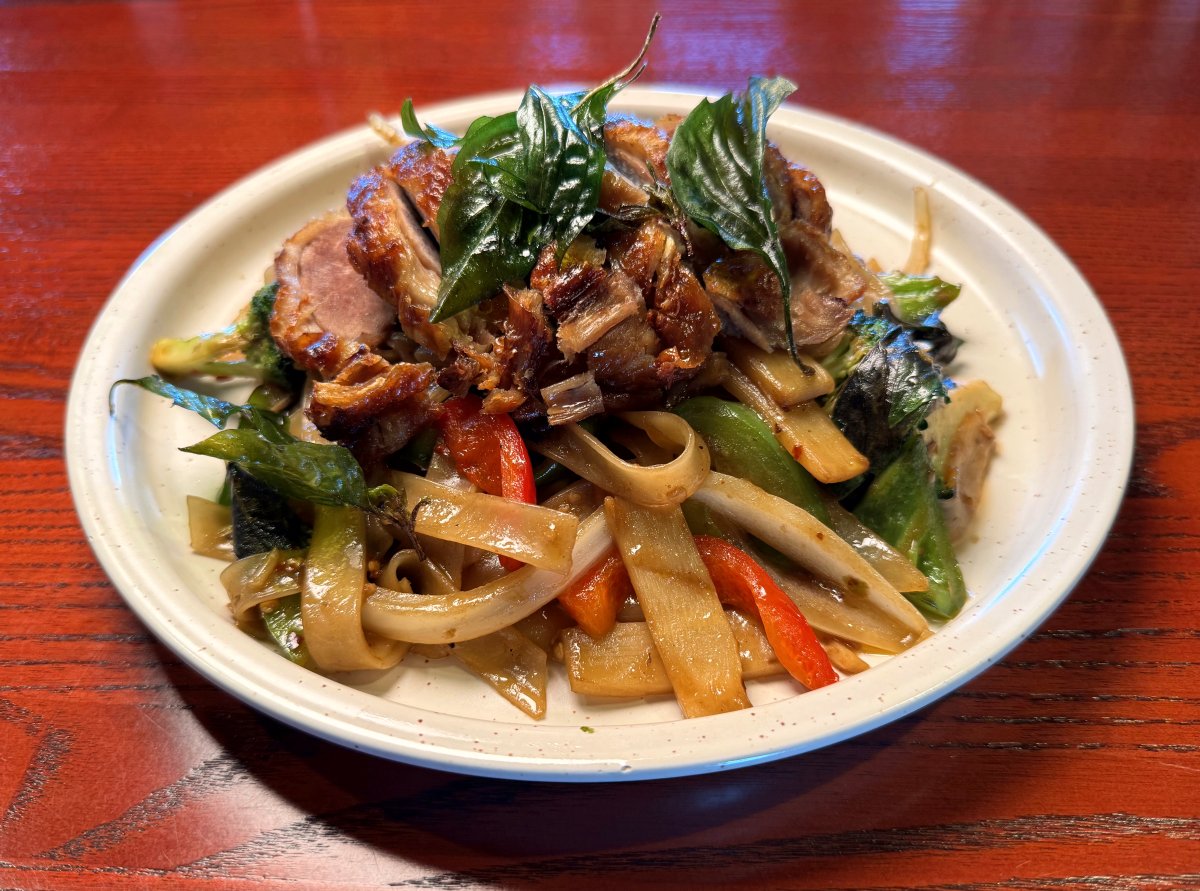
Few noodle dishes reward good technique as quickly as drunken noodles. When they are done right, the result is loud in the best possible way, glossy rice noodles slicked with savory sauce, shrimp that stay plump and sweet, charred edges from a ripping hot pan, and the unmistakable perfume of Thai basil hitting the heat at the last second. When they are done poorly, they turn heavy, flat, and strangely sweet, with broken noodles and overcooked seafood. The gap between the two is not mysterious. It comes down to timing, heat, and restraint.
Drunken Noodles, often associated with pad kee mao, are one of those dishes that seem casual on the surface but expose every weak point in a cook’s process. The pan has to be hot enough to sear, but not so crowded that everything steams. The sauce needs enough intensity to season wide rice noodles, but not so much volume that the wok turns soupy. Shrimp demand precision because they go from tender to rubbery in well under a minute. Thai basil cannot be treated like an afterthought, because its peppery, slightly anise-like aroma is one of the signatures that separates this dish from generic stir-fried noodles.
I have cooked versions of this dish in restaurant kitchens and at home on ordinary stoves, and the principles hold in both settings. Restaurant burners make the job easier, not different. Even on a home range, you can build that smoky, caramelized flavor if you understand what matters most and stop trying to cook four portions in one overloaded skillet.
The character of the dish
The name creates expectations. People often assume “drunken” means the noodles are made with alcohol, but what most diners actually recognize is a bold, spicy, late-night style. The flavor profile leans salty, savory, and hot, with sweetness playing a supporting role rather than the lead. Wide rice noodles carry sauce especially well because their broad surface area catches every streak of reduced liquid and every bit of rendered oil from the aromatics.
Shrimp bring a different energy than chicken or beef. They are lighter, quicker, and a little sweeter by nature, which means the rest of the dish should keep moving. You do not want a heavy hand with sugar, and you do not want the vegetables cooked so long that they slump into softness. A good shrimp version should taste vivid. The noodles should remain chewy. The basil should still smell fresh. The chile heat should feel sharp rather than muddy.
That balance is why this dish works so well for cooks who like big flavor but do not want a sauce-laden plate. Proper drunken noodles are not swimming. They should look glossy and loose, not wet.
What to buy, and what actually matters
The best choice for this dish is fresh wide rice noodles, the kind sold in folded sheets or ribbons in refrigerated Asian markets. They have a springy, tender chew that dried noodles do not fully replicate. If you can get them, use them. Separate them gently before cooking. If they are cold and stiff, a brief pass in the microwave, usually 20 to 30 seconds, softens them enough to pull apart without tearing.
Dried wide rice noodles are still a solid option, but they need care. Most package directions push cooks toward a full soak or boil that leaves the noodles too soft before they ever hit the pan. What you want is slightly underdone. They should bend easily but still feel resilient, because they will finish in the sauce. If they are already fully tender going in, they break apart during stir-frying and turn pasty around the edges.
Shrimp should be medium to large, roughly 16 to 26 per pound, depending on what looks freshest. Tiny shrimp disappear among the noodles, and very large shrimp can dominate the bite. Peeled and deveined saves time, but tail-off matters more than convenience. No one wants to chase tails through a bowl of noodles.
Thai basil is worth seeking out. Italian basil does not behave the same way. It is softer, sweeter, and less assertive. Thai basil holds up to high heat better and gives the dish a cleaner, more recognizably Southeast Asian profile. If you absolutely cannot find it, a mix of regular basil and a small amount of fresh mint can get closer than basil alone, but it is still a compromise.
The vegetables can vary, though I prefer onion, Chinese broccoli if available, and red bell pepper. Chinese broccoli, or gai lan, brings slight bitterness and crisp stems that cut through the richness of the sauce. Standard broccoli is not a perfect substitute, but broccolini works reasonably well. Bell pepper adds sweetness and color, but it should stay a bit crisp.
As for the sauce, the core usually includes oyster sauce, soy sauce, fish sauce, and a touch of sugar. Dark soy sauce is useful for color and a little depth, but too much can make the dish taste flat and molasses-heavy. White pepper adds a subtle warmth that fits naturally here. Fresh garlic and Thai chiles do most of the aromatic heavy lifting.
Building a sauce that can stand up to the noodles
Wide rice noodles need a sauce with backbone. A thin, timid mixture vanishes the moment it hits the pan. At the same time, an overbuilt sauce can turn everything salty before the noodles are seasoned through. This is where proportion matters.
For about two generous servings, I like to start with roughly 2 tablespoons oyster sauce, 1 tablespoon light soy sauce, 2 teaspoons fish sauce, 1 to 2 teaspoons dark soy sauce, and 1 to 2 teaspoons sugar. Add a few tablespoons of water or stock to help the sauce spread and reduce evenly. This is not the place for a quart of liquid. The noodles should absorb and glaze, not simmer.
Taste the sauce before it goes near the pan. It should be a little stronger than you think it should be. Undersalted stir-fried noodles taste especially disappointing because the starch mutes everything. If the raw sauce tastes balanced but slightly intense, you are usually in the right zone. If it tastes pleasant and mild straight from the bowl, it is likely too weak.
Heat level is personal, but the dish does benefit from real chile presence. Sliced fresh Thai chiles bring brightness and direct heat. If you prefer more control, use fewer fresh chiles and supplement with a dab of chile paste at the sauce stage. Dried red pepper flakes can work, though the flavor is less clean.
The shrimp deserve their own strategy
Shrimp are often treated like a quick add-in, tossed in whenever there is room in the pan. That is how you end up with pale, weeping seafood that leaks moisture into the stir-fry and tastes detached from the rest of the dish.
Pat the shrimp dry first. This sounds basic because it is basic, and it still makes a measurable difference. Wet shrimp cool the pan and steam rather than sear. I season them lightly with a pinch of salt and white pepper just before cooking. Some cooks add a small amount of cornstarch, which can help create a delicate coating and protect tenderness, but for this dish I usually skip it unless the shrimp have been previously frozen and seem especially watery.
Cook the shrimp briefly, then remove them before the noodles go in. That extra transfer step is worth it. Shrimp typically need only 30 to 60 seconds per side in a very hot pan, depending on size. Once they curl into a loose C shape and turn opaque with a faintly translucent center, they are essentially done. They will finish when returned to the wok with the noodles. If you wait for them to look fully perfect on their own, they will be overcooked by the end of the dish.
Heat management is the entire game
Home cooks often ask why restaurant stir-fries taste more alive. Part of it is burner power, but a bigger part is batch size and discipline. You cannot fake wok hei on a crowded 12-inch skillet full of cold noodles, wet vegetables, and a pound of shrimp. What you can do is create zones of high heat, move fast, and keep the ingredients from sitting still too long.
A carbon steel wok is excellent if you have one. A large stainless steel skillet is also effective. Nonstick makes the process easier for beginners, but it does not brown quite as well, and very high heat can shorten its life. Whatever pan you choose, preheat it properly. When the oil goes in, it should loosen and shimmer right away.
This dish rewards mise en place more than almost any weeknight recipe. Once you start, there is no leisurely slicing of peppers or measuring fish sauce. The pan is too hot and the ingredients too fast. Have the noodles separated, the shrimp dried, the vegetables cut, the basil plucked, and the sauce mixed before the flame comes on.
How the dish comes together
Start with a small amount of neutral oil in the hot pan, then add the shrimp in a single layer. Let them sear briefly, turn them once, and pull them out before they finish completely. Add a bit more oil if needed, then the garlic and chiles. They should sizzle hard for just a few seconds, enough to perfume the oil without scorching. Burnt garlic ruins a stir-fry faster than most people realize. The bitterness spreads through the whole dish.
Next go in the onion and sturdier vegetables. Chinese broccoli stems should hit the pan before the leaves. Bell pepper can follow shortly after. You are not trying to fully soften them. Think about taking the raw edge off while preserving texture. If the vegetables dump too much water into the pan, the heat is either too low or the batch is too large.
Then add the noodles. If they are fresh, they https://www.google.com/maps?cid=10337779433515689724 may clump at first. Use tongs or a spatula to coax them apart gently. Aggressive stirring shreds them. Once they loosen, pour the sauce around the edges of the pan rather than directly onto the center. This gives the liquid a chance to hit hot metal and reduce before coating the noodles. Toss and fold until the noodles darken slightly and turn glossy.
Return the shrimp at this point, along with the leafy tops of the Chinese broccoli if you are using it. Toss just long enough to reheat the shrimp and wilt the greens. Thai basil goes in last, and I mean last. The residual heat should wilt it almost immediately while preserving its fragrance. If you add it too early, the basil turns dull and the kitchen misses that explosive herbal aroma that should announce the dish before it reaches the table.
A practical recipe for two hearty servings
For a home kitchen, this ratio works consistently. Use about 8 to 10 ounces of wide rice noodles, 8 to 10 ounces of shrimp, 3 to 4 cloves of garlic, 2 to 6 Thai chiles depending on your tolerance, half a medium onion, a generous handful of Chinese broccoli or broccolini, and half a red bell pepper. For the sauce, combine 2 tablespoons oyster sauce, 1 tablespoon light soy sauce, 2 teaspoons fish sauce, 1 teaspoon dark soy sauce, 1 to 2 teaspoons sugar, and 3 tablespoons water.
Cook exactly as described above, keeping the total pan time short. On a strong burner, the whole dish can come together in about 6 to 8 minutes once the pan is hot. On a weaker home stove, you may need another minute or two, but if it stretches much longer, something is off. Usually the problem is overcrowding.
If you want a larger batch, cook in two rounds and combine at the end rather than doubling everything in one pan. That single decision improves texture more than any “secret ingredient.”
Common mistakes, and how to avoid them
Most problems with drunken noodles are easy to identify after the fact. Fixing them the next time requires honesty about what happened in the pan.
The first major issue is oversoaked noodles. They seem manageable before cooking, then collapse when tossed. If this happens often, shorten the soak or boil time and rinse with cool water to halt carryover cooking. A noodle that feels slightly too firm out of the water is usually perfect after stir-frying.
The second is too much sauce. People assume more sauce means more flavor, but wide rice noodles release starch as they cook, and extra liquid quickly turns gluey. It is better to start with less and add a splash of water only if the pan seems dry before the noodles are evenly coated.
The third is overcooked shrimp. This usually comes from keeping them in the pan from start to finish. Remove them early. It feels fussy the first time and obvious every time after.
The fourth is weak heat. If your vegetables are leaking water and the noodles are steaming, pause and reassess. Sometimes the best move is to transfer half the contents out, let the pan recover, and continue in stages.
The fifth is adding basil too soon. Fresh herbs are not just garnish here. They are an aromatic component, and timing changes their entire contribution.
How to make it taste more like restaurant Drunken Noodles
Restaurant versions often carry a hint of char and a concentrated savory edge that home cooks chase with more sugar or more soy sauce, which usually backfires. To get closer, focus on caramelization rather than sheer seasoning.
Allow some contact time. Constant stirring is not always the answer. Once the noodles are coated and separated, let them sit against the hot surface for 15 to 20 seconds at a time before tossing again. That brief pause encourages browning.
Use a small amount of oil, not a flood. Too much oil insulates the noodles from the pan. Too little causes sticking. You are looking for just enough to conduct heat and carry the aromatics.
Keep the sauce balanced toward savory. Oyster sauce should lead, fish sauce should sharpen, and sugar should round edges rather than define the dish. If the final result tastes sweet first, the balance is off.
A tiny pinch of white pepper near the end also helps. It does not make the dish obviously peppery, but it supports the heat from the chiles and adds a restaurant-style background warmth.
Variations worth making, and a few that are not
Seafood cooks quickly, so shrimp pair well with squid if you want a mixed version, but I would avoid combining shrimp with chicken in the same batch unless you are very comfortable with timing. Their moisture release and cooking windows are different enough to complicate the stir-fry.
Mushrooms are not traditional in every version, but they can be good if sliced thin and cooked hard enough to lose their water. The danger is that they absorb oil and crowd the pan. If you use them, reduce the total vegetable load elsewhere.
Baby corn, snow peas, and green beans are all possible, though they shift the dish in different directions. Green beans in particular need a head start or a quick blanch because they stay too raw otherwise. That extra step is worthwhile only if you specifically want their snap.
Lime is another common impulse. Some people like a squeeze at the table, and that is fine, but I do not build acidity into the pan itself unless the dish feels uncommonly rich. Drunken noodles are not meant to taste bright in the way pad Thai often does. Their profile is deeper and more herbal.
Serving and leftovers
This dish is best the moment it leaves the pan. The noodles are at their most elastic, the shrimp are just cooked, and the basil is still perfuming the steam. If you are serving multiple people, have bowls ready before you start stir-frying.
Leftovers are still good, but they change. Rice noodles firm up as they cool, and shrimp inevitably lose some tenderness on reheating. The best way to bring them back is a hot skillet with a splash of water, just enough to loosen the sauce and rehydrate the noodles without drowning them. Microwaving works in a pinch, though it tends to overcook the shrimp around the edges.
If I know I am intentionally making extra, I slightly undercook the shrimp and vegetables in the original batch. That way the reheated version lands closer to fresh. It is a small professional habit that translates well to home cooking.
The dish rewards confidence more than perfection
Drunken Noodles with shrimp and Thai basil are not difficult in the sense of requiring obscure culinary tricks. They are demanding in the sense that they ask you to commit. High heat, fast motion, and thoughtful timing matter more than a long ingredient list. Once you understand the sequence, the dish becomes one of the most satisfying weeknight stir-fries you can make because it tastes bigger than the effort suggests.
The best batches have a little edge to them. A few darkened noodle spots. Shrimp with light sear. Basil that hits your nose before your fork. Enough chile to wake the palate, not stun it. Enough sauce to cling, not pool. That is the sweet spot, if sweet spot is even the right phrase for a dish that should lean savory and hot.
Make it once with care, and the logic of it settles in. The next time, you stop staring at the pan and start cooking by sound and smell. The garlic tells you when it is ready. The noodles tell you when they have taken on enough sauce. The basil tells you, in one burst of fragrance, that dinner should be on the table now.
Nakhon Luang Thai Kitchen
Address: 805 Village Center Dr, Colorado Springs, CO 80919
Phone number: +17195315175
FAQ About Drunken Noodles
What makes it drunken noodles?
Drunken noodles, or Pad Kee Mao, get their name from the Thai word khi mao (meaning "drunkard"). They contain no alcohol. The name comes from the idea that the dish is a popular late-night meal to cure a hangover or a great food to eat with a cold beer.
What is the difference between pad see ew and drunken noodles?
While both Pad See Ew and Drunken Noodles use the same wide rice noodles, Pad See Ew is a mild, sweet-savory dish made with dark soy sauce and Chinese broccoli, whereas Drunken Noodles (Pad Kee Mao) are fiery, garlicky, and herbaceous with fresh chilies and Thai basil.
What are traditional drunken noodles?
Traditional drunken noodles, known as Pad Kee Mao in Thai, are a fiery, savory street food stir-fry made with wide flat rice noodles, fresh garlic, lots of hot chilies, meat or tofu, and fragrant holy basil. Despite the name, they contain no alcohol; the dish is traditionally eaten late at night or as a hangover cure because the intense spice helps clear the head.